
Upper Body Solutions
In upper body joints the deciding constraint is weight. The further you move from the shoulder, the more each gram adds to the load the whole arm has to carry. That is why wrist and elbow motors are chosen as light and small as possible.
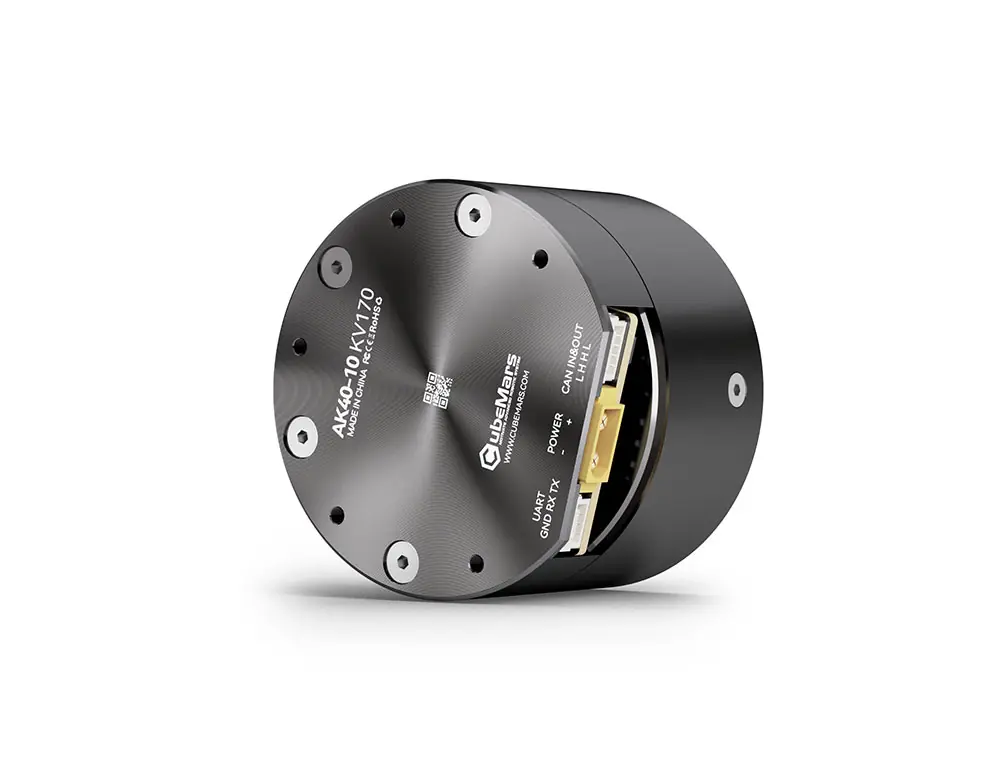
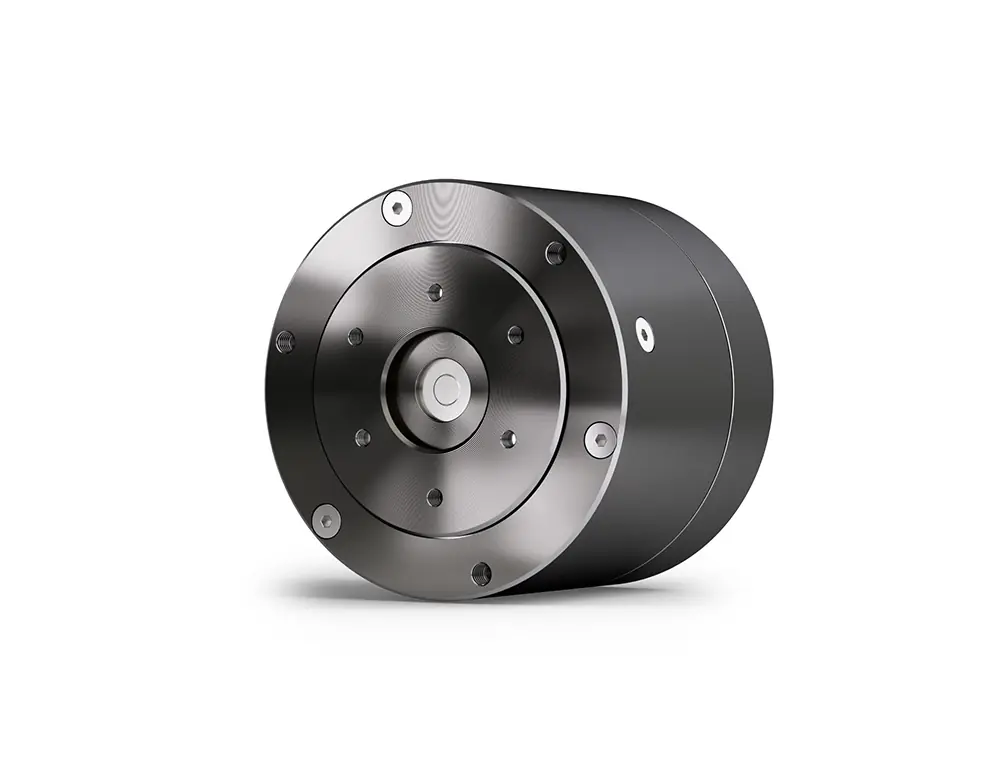
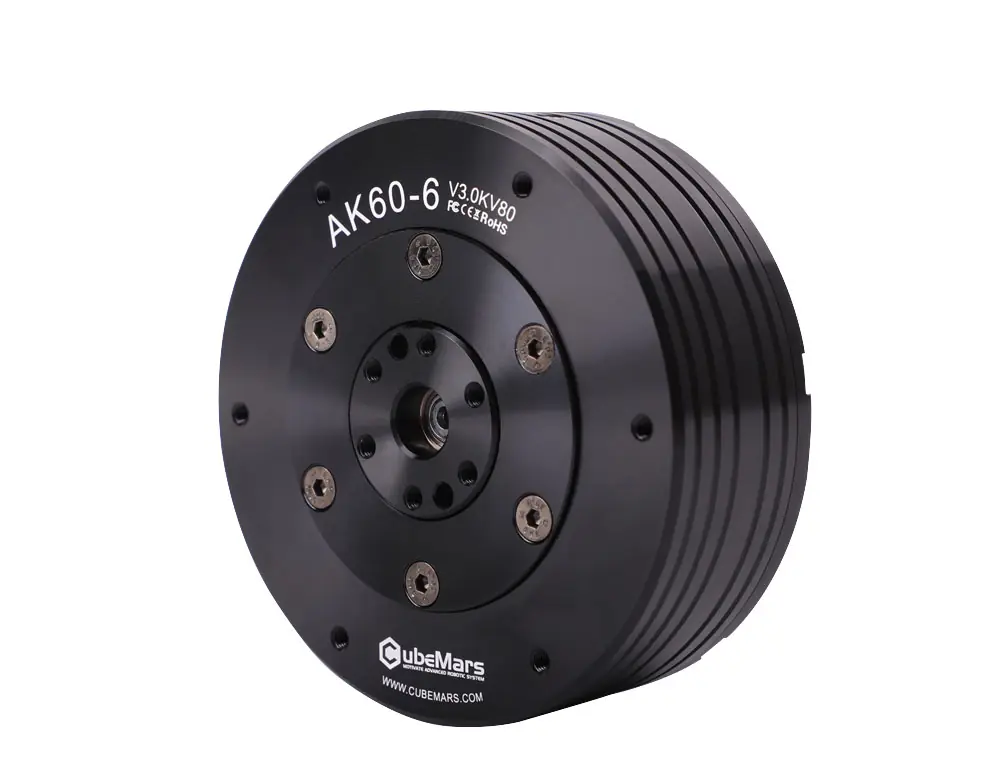
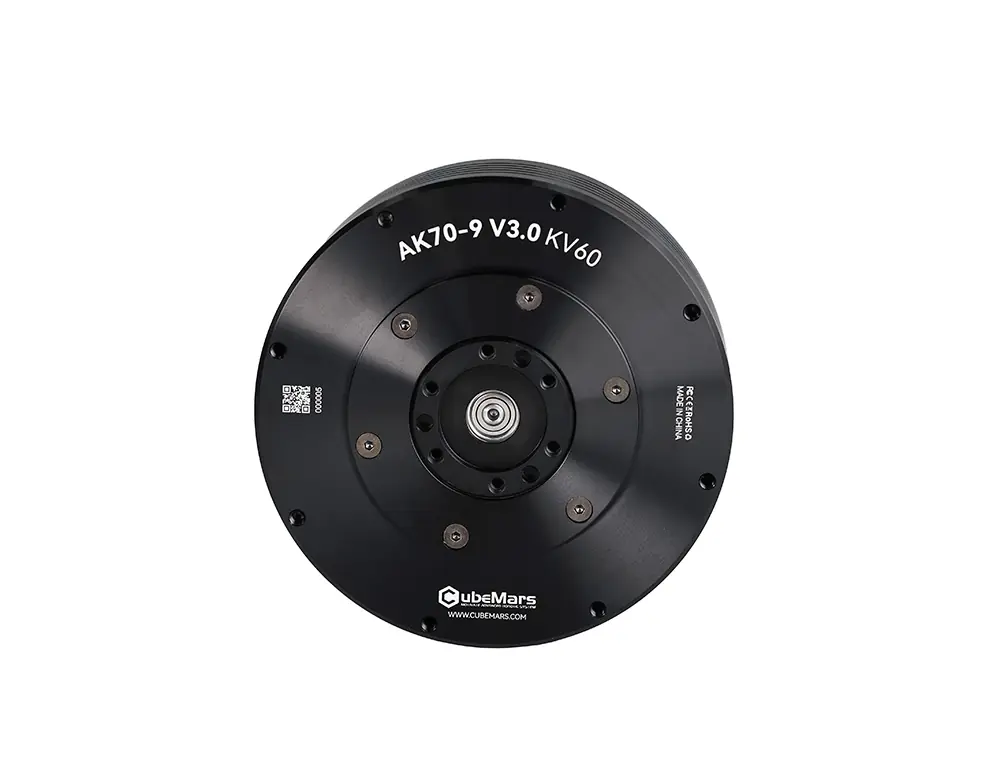
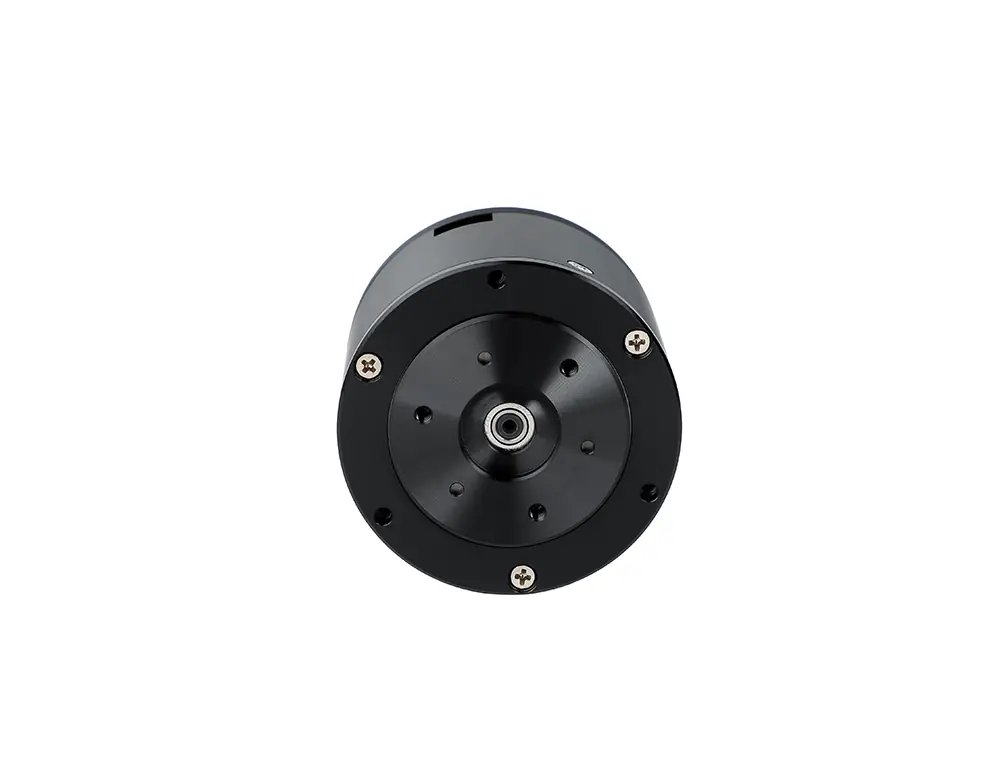
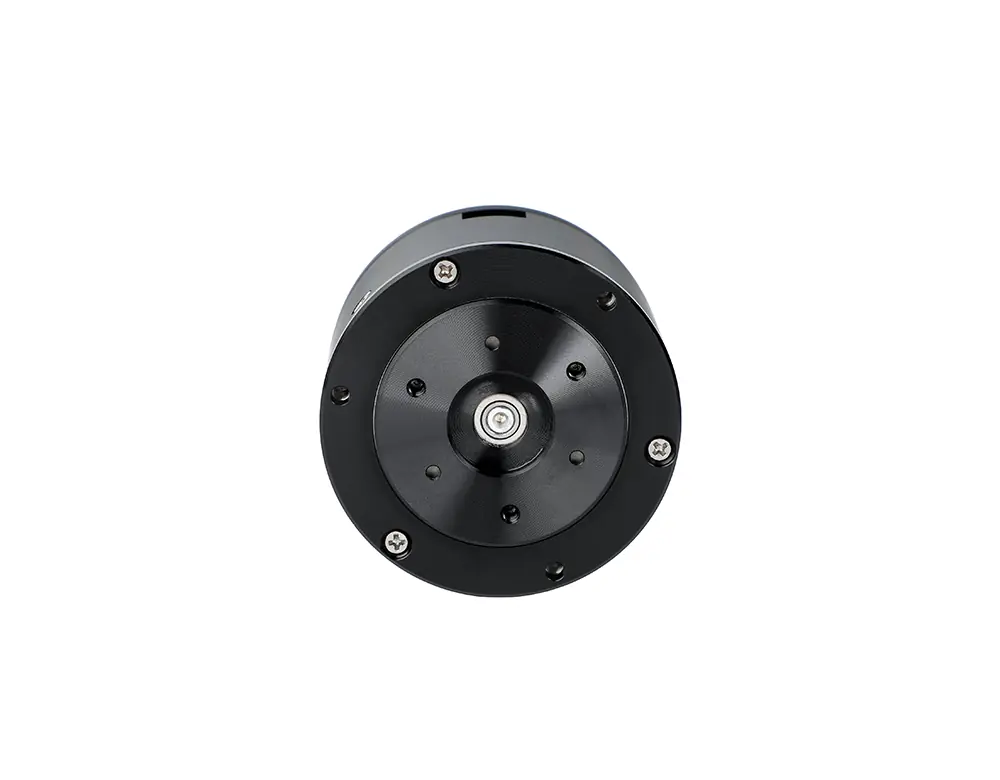
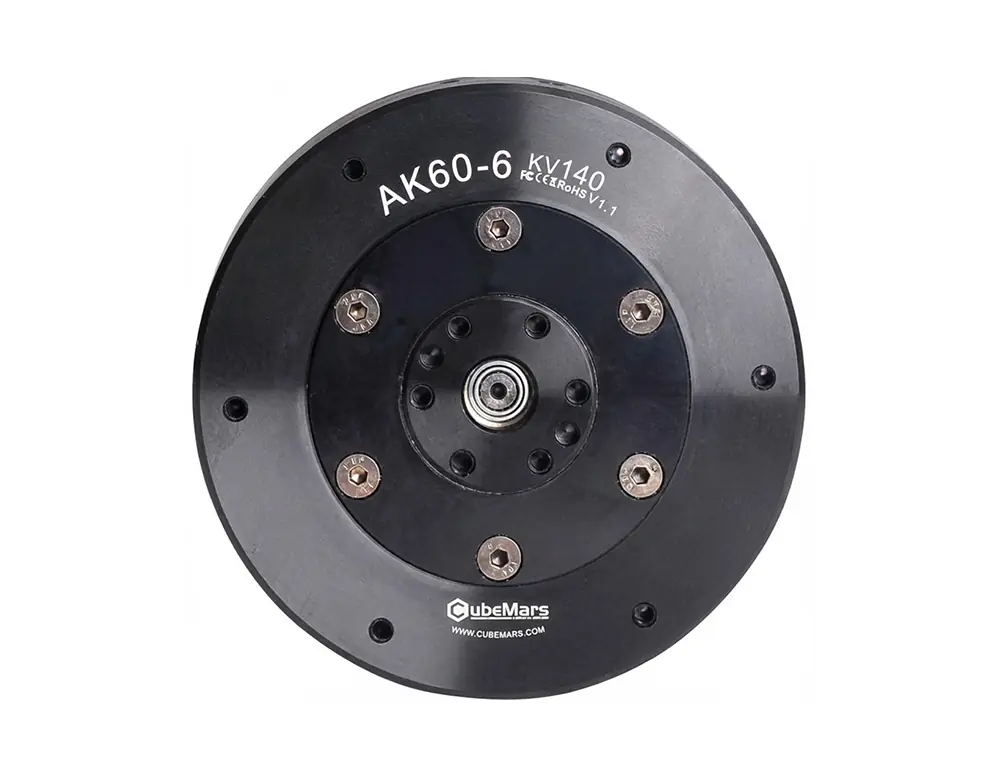
The AK models we recommend for upper body joints range from 1.3 Nm to 8.5 Nm of rated torque and 4.1 Nm to 29.2 Nm of peak torque. KV values range from 60 to 170 rpm/V.
Joints that need fast response, such as the neck and wrist, favor a high KV and low reduction, while load-carrying joints such as the shoulder and elbow favor higher torque.
Choosing a motor
The most common questions when comparing products in this category.
What is the difference between rated and peak torque?
Rated torque is what the motor can deliver continuously without overheating, so size your system to it. Peak torque is the upper limit it can withstand for short periods. Look at peak torque for starts and impacts, and rated torque for continuous operation.
What does the KV value mean?
KV is the number of revolutions per volt. A low KV means more torque and less speed, and a high KV the opposite. With the same frame, the KV choice sets the speed and torque balance of your application.
How should I choose the gear ratio?
A gearbox increases torque and reduces speed. Applications that need high torque at low speed, like a legged robot joint, favor a high ratio (36:1, 48:1), and those that need fast response favor a low ratio (6:1, 9:1). If you are not sure, send us your target torque and speed.
Frameless motor or integrated actuator?
In integrated actuators (AK, AKH) the driver, encoder and gearbox are inside the motor, and they run over CAN straight out of the box. The AKE series combines motor and gearbox and uses an external driver. Frameless motors (RI, RO) are just a rotor and stator that you build into your own mechanics, and they need an external driver. Choose frameless for tight spaces or custom designs, and integrated for quick installation.
How do I use the filters?
In the filter panel you can narrow down by series, gear ratio, peak torque, KV, no-load speed, weight and price. On desktop the panel sits to the left of the list, and on mobile it opens with the Filter button. Products without a value for a filter drop out when you apply it, so we recommend starting broad and narrowing step by step.
Not sure which to choose?Ask the technical team